
The second demo arrives
Hi!
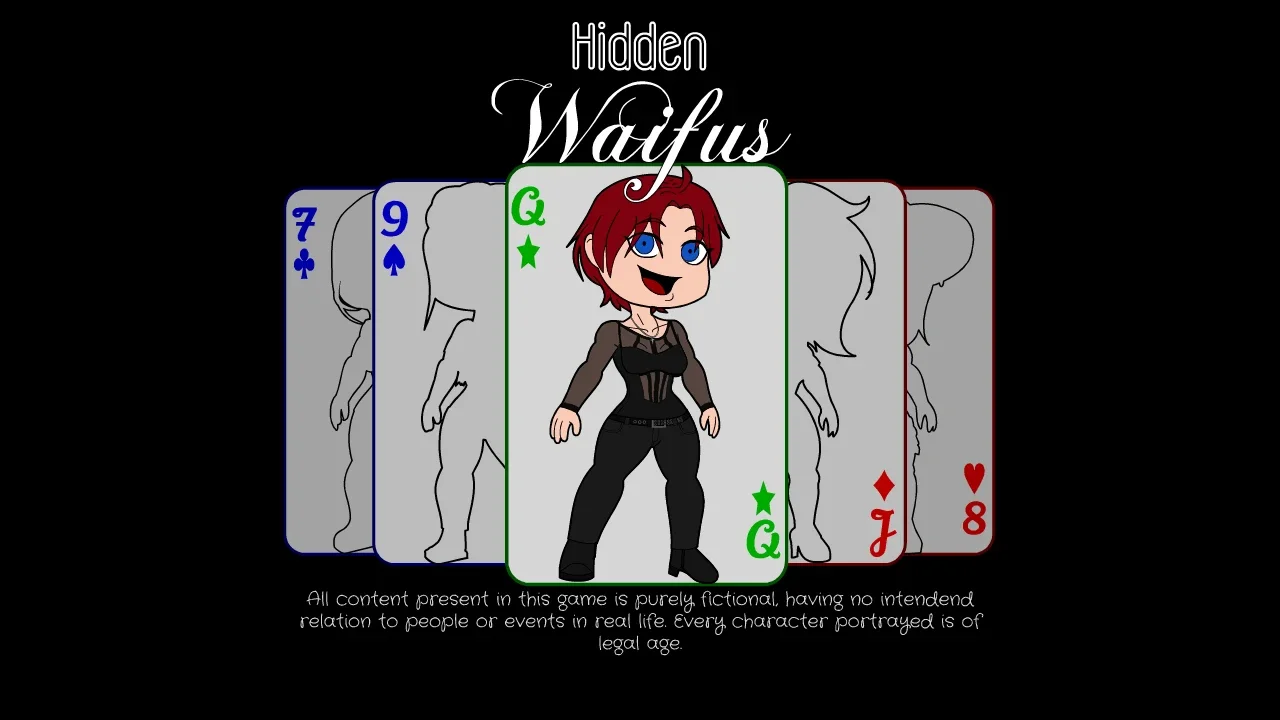
A month after releasing the first demo of my first game, here I am again with a second demo that brings a great improvement: a mountain of optimizations. And also a custom splash screen, shown above, to have a bit more of style.
Humble release
There is not a lot in new content for now, as this version was 99.9% on improving what already exists. A few little things were added and several simplified, but the content will mostly be the same on this second demo.
My past month has been a deep dive on alternatives for the Godot Engine for the project, applying what the alternatives had to teach on the project and seeing what could be improved without have to compromise features already present. This is why the project still made in Godot, because most other engines either do not have the same features or are so much more complex that are not suited for a first game project at all. But this research game me a lot of practical knowledge, so it was very worth it.
Optimization Boogaloo
Both file-size and performance were heavily improved, with the reduction on file-size being the most expressive: from the original 171MB for assets after Godot’s “treatment”, now all assets together use only 36,7MB – a 4.5x reduction, before .zip compression.
The memory (RAM) consumption also fell by almost 20MB on our first level, with a significative reduction on graphical memory (VRAM) and things being processed in second plan as well. Atop of that, to make this game more accessible on older systems I changed the rendering for OpenGL, so having a Vulkan-capable GPU is not required anymore – which is also expect to improve performance, since this renderer is lighter.
To compliment the optimizations, I eventually managed to do what sounded the most absurd at first: re-compile the Godot Engine, to use a custom build for Hidden Waifus with only what is actually needed by the game – instead of shipping the complete engine and everything that is never used. Which nicely bring us to the next point:
System Requisites
With lighter builds I finally took the time for a serious necessity of any game: measuring the minimal and recommended system specifications, so players can know from the beginning if their systems are suited for the game. But there are two catches here:
- I cannot reasonably make the requisites lower than those of the Godot Engine itself, since it’s expected that people might want to edit the project for it being open-source
- Given how Linux software building works, and this being a Linux-first game, I also cannot make the requisites lower than the oldest supported version of Ubuntu LTS
This second point is reinforced by game store-fronts, such as GOG and Steam.
So the current requirements are:
Minimum
- Processor: 2 GHz dual core
- RAM: 4GB
- Screen Resolution: 1280x720px
- GPU: OpenGL 3.3 compatible with at least 512MB of VRAM
- Operating System: Linux Mint 21, Ubuntu: 22.04, equivalent for other Linux distributions, or Windows 10
Recommended
- Processor: 2 GHz quad core processor
- RAM: 8GB
- Screen Resolution: 1366x768px
- GPU: OpenGL 4.6 compatible with 1GB+ of VRAM
- Operating System: Linux Mint 22+, latest Ubuntu LTS, equivalent for other Linux distributions
Since MicroSlop abandoned Windows 10 and Windows 11 is worse than a surgery without anesthesia, I cannot put any version of their system on the recommend specs.
Looking for the future
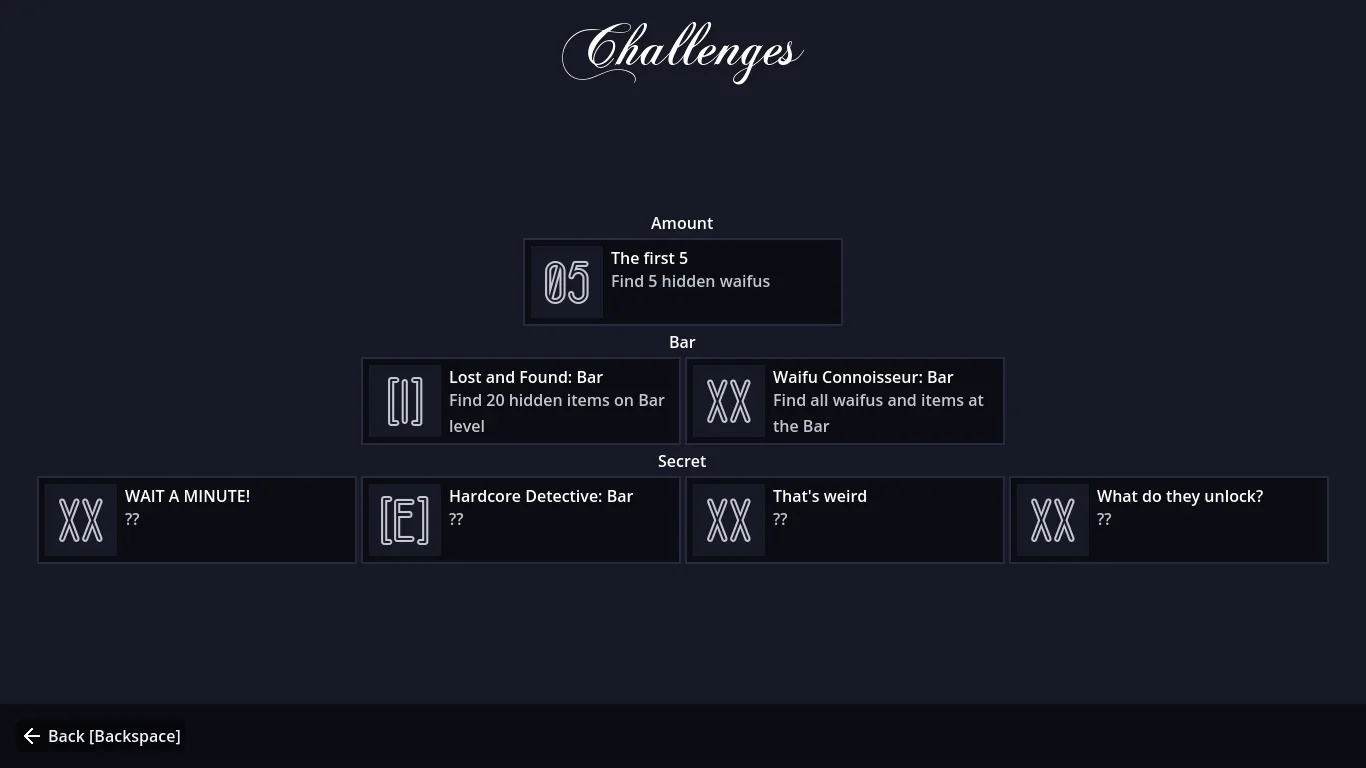
As last time, Both me and Lazy intend to add a lot more content to the game, now that the core game-play loop and features are complete this is our main direction. Any future new features will be mostly Quality of Life improvements and extra options.
Our compromise remains: the game will always remain open-source, with downloads available for free in our repository for every major version.
Now that we got a working demo in a state I can be proud, I’m looking to publish the game as an Early Access title on digital storefronts – such as GOG and Steam, mentioned before. This will be a whole new chapter, that will require things not known/planned before and a lot of new things to learn, but great things often require lots of effort!
Then … lets us find Waifus!
As always, you can find Hidden Waifus at our Codeberg repository, with versions both for Linux and Windows:
https://codeberg.org/lily_linck/Hidden-Waifus
All feedback is very welcome!